Peak hurricane season starts in about six weeks. The National Hurricane Center’s 2026 outlook projects above-average activity. What that means operationally is that August, September, and October will produce whatever they produce — and the preparation that determines how well you manage what arrives is being done right now, in July.
I’ve watched too many estate owners try to prepare during an active storm watch. It doesn’t work. What arrives in preparation during an active watch is compromised preparation — sub-optimal contractor arrangements, incomplete evacuation planning, marine assets that had to be moved to the wrong yards because the good ones were full.
Here’s what I’m doing operationally right now for our Palm Beach Island principals. If you’re managing your own architecture, this is the framework I’d use.
Our detailed coverage on seasonal visiting security in Palm Beach addresses the underlying architecture the current environment requires.
The federal protective overlay changes everything
The specific thing that makes Palm Beach Island hurricane operations different in 2026 is that the operational environment includes the ongoing federal protective operations around Mar-a-Lago. That overlay wasn’t in effect during 2023 or 2024 season preparation. Estates that treat 2026 preparation as an incremental adjustment to 2024 planning are missing the structural change.
The South Ocean Boulevard closure affects evacuation routing. The Clarendon Avenue closure through October affects secondary route options. USCG marine security zones when the President is present affect vessel movement windows.
What I’m doing right now: re-mapping evacuation routes for every principal we cover. Not “review the plan.” Actually walking through primary, secondary, and tertiary route options against current closures. Verifying each route physically. Timing it.
Households that evacuate effectively have three routes planned. Not one. Not two. Three. Because if the primary is congested and the secondary is closed, the tertiary is what actually gets you off the island.
Marine asset coordination has to happen now
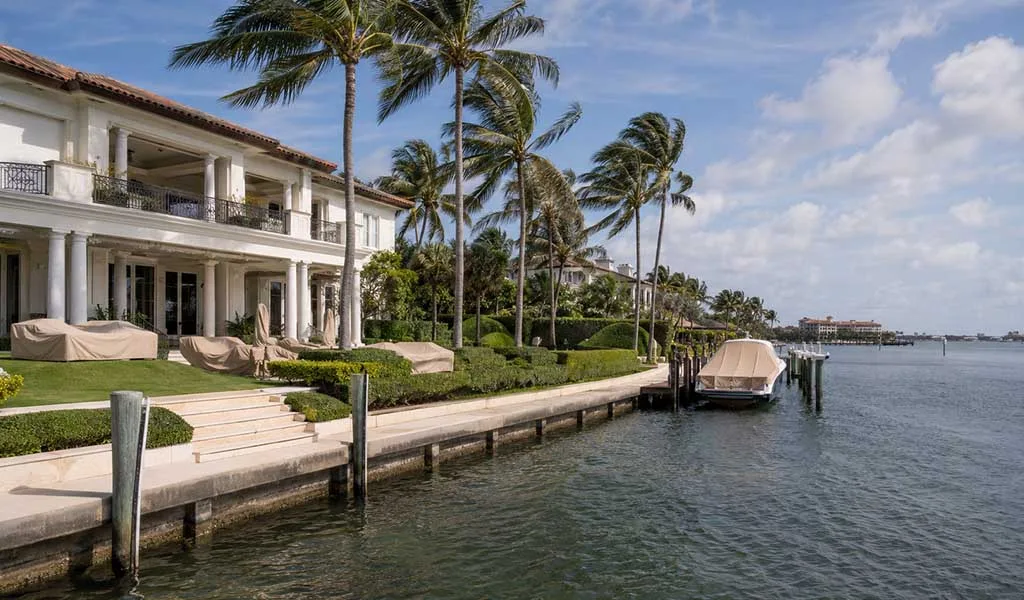
For principals with vessels at private docks or at Palm Beach Yacht Club, hurricane operational protocols require pre-arranged coordination. Yard capacity is finite. Marine service capacity is finite. Transportation coordination fills up quickly during confirmed storm approach windows.
What I’m doing right now: confirming yard reservations for vessels above the threshold that requires inland storage. Verifying insurance documentation. Coordinating transportation. Establishing the specific protocols that activate when a watch is issued.
The specific 2026 consideration is that USCG marine security zones affect vessel movement timing when the President is present. Vessels planned for out-of-area storage need to be moved during windows when marine access isn’t restricted. Coordination attempted during an active watch faces both storm approach timing and federal protective operational constraints simultaneously.
Household staff protocols require documented decision authority
Household staff hurricane operations produce specific vulnerability categories that residential security architecture rarely addresses systematically.
Staff members typically evacuate to their own residences during storm windows. Return timing varies. Some staff cannot return for extended periods due to their own residential impacts. The estate’s operational staffing during and immediately after a storm is often substantially reduced from normal conditions.
The specific vulnerability operates through the gap between staff departure and staff return. During that window, the estate operates without the routine operational awareness that staff presence provides. Vendor arrivals for storm preparation, damage assessment, and post-storm response operate against reduced supervision.
What I’m doing right now: establishing documented decision authority for staff during principal absence. Who decides what during storm windows. What operational authority the household manager has. What communication rhythms operate during and after storms.
Our coverage on access accumulation at private estates addresses the specific access architecture required during elevated-access windows.
Pre-arranged contractor and vendor relationships
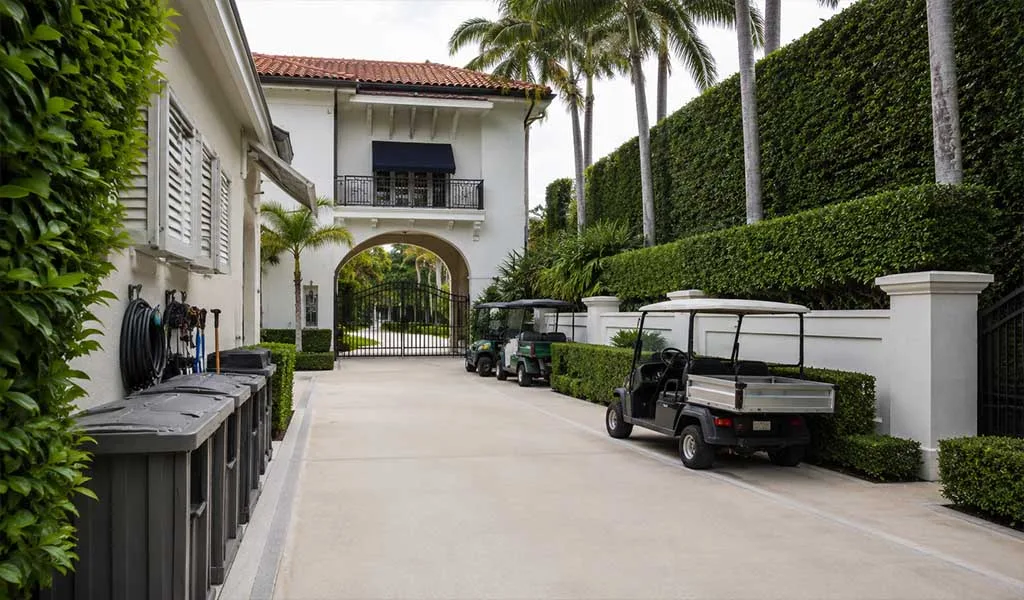
Post-storm response depends on vendor and contractor access that has been pre-arranged. Households that attempt to establish contractor relationships during the initial post-storm window compete with every other affected household simultaneously. Wait times extend. Availability constraints intensify. Standard rates give way to storm-period pricing.
The specific vulnerability operates through the post-storm contractor rotation. Established relationships bring known personnel with documented vetting. Emergency arrangements bring rotating personnel with limited vetting operating in an environment where standard operational oversight is reduced.
The FBI’s IC3 data on insider and vendor involvement in high-value incidents applies specifically during post-storm windows when contractor access is elevated and operational oversight is reduced.
What I’m doing right now: year-round contractor relationships that activate during storm windows. Roofers. Tree services. Cleanup crews. Security shutter contractors. Marine service providers. All pre-arranged with documented vetting.
Post-storm operational architecture
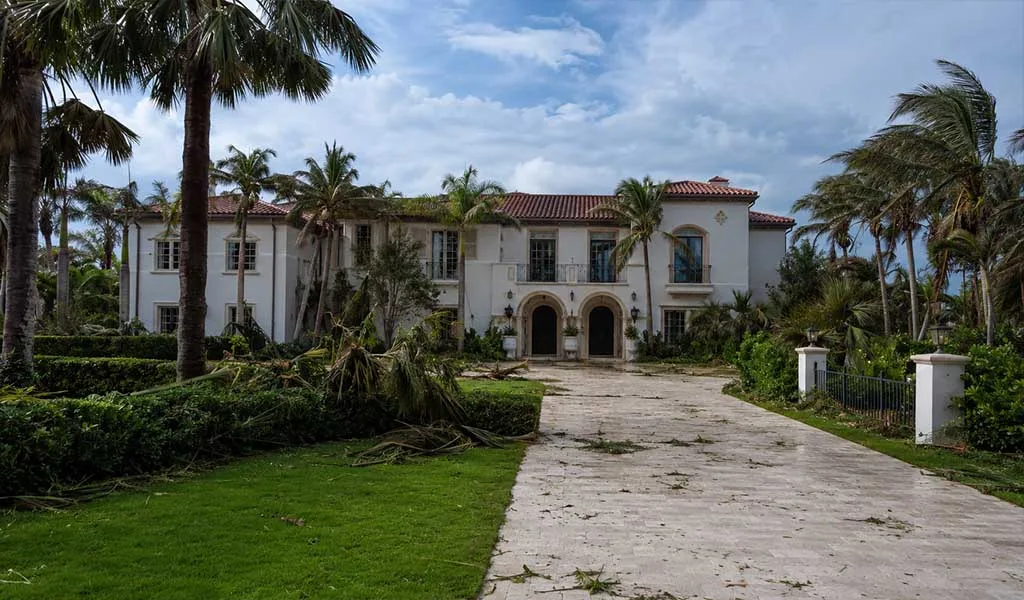
The post-storm operational window is often the highest-risk period for high-value estates. Vacancy is elevated because owners often extend their evacuation until infrastructure recovery is confirmed. Staff presence is reduced because return timing is complicated by broader infrastructure impacts. Vendor and contractor activity is elevated as damage assessment, cleanup, and repair operations proceed. Law enforcement patrol is reduced because municipal resources are focused on broader community response.
The compound effect is that estates operate with substantially reduced operational awareness, substantially elevated non-resident access, and substantially reduced external oversight — all simultaneously.
What I’m doing right now: establishing continuous rather than intermittent post-storm coverage protocols. Documented access control for arriving contractors. Coordination with municipal and utility operations. Extended coverage windows until normal operational rhythms resume.
Federal protective operational coordination
For estates in the affected zone around Mar-a-Lago, hurricane preparation has to account for the specific federal protective operational picture that will exist during any storm window when the President is present.
The specific consideration is that federal protective operations continue during and after storm conditions. Access restrictions may modify or intensify based on the operational picture. Routes normally available for evacuation may be restricted. Marine access may be more constrained than normal. Post-storm reentry may involve additional coordination requirements.
Households that manage this effectively engage security professionals who have operational relationships with federal protective personnel and who can coordinate during storm windows without disrupting the primary protective mission.
Darrell Hofheinz’s Palm Beach Daily News coverage has documented the ongoing operational picture on the island. That reporting is the specific local source I’d recommend monitoring through hurricane season.
What I'd recommend
For Palm Beach Island estate owners entering peak hurricane season, three practical priorities.
Complete evacuation route re-mapping now against current closure conditions. Verify physically. Time each route.
Establish pre-arranged contractor and vendor relationships before storm approach windows. Documented vetting. Payment arrangements. Communication protocols.
Design your post-storm operational architecture explicitly. This is where the compound exposure concentrates and where most estates have the biggest gap.
Where to Go From Here
Start with the Residential Threat Integration Checklist. It’s the 15-point audit covering the integrated architecture required for the current environment.
If you’re ready for a direct conversation, request an audit here. We assess for the specific hurricane operational profile.
For the specific EP architecture during the season, read our coverage on private bodyguard services in Palm Beach.
I’m John Hamilton, HKDS founder. We operate estate security and executive protection across Palm Beach Island. Our headquarters is 8 minutes from the Royal Park Bridge. Licensed Florida Class B (B 3500148), D, and G. Contact us.