
Hurricane Ian made landfall on September 28, 2022 as a Category 4 hurricane. Southwest Florida took the direct hit. Naples specifically saw devastation across Port Royal, Aqualane Shores, Old Naples, and the broader Gulf-facing corridor. Storm surge exceeded 15 feet in some locations. Recovery at some estates took 18-24 months.
Ian permanently changed my thinking about hurricane security for Naples UHNW estates. The specific operational lessons still apply directly to the 2026 season, which is heading into peak activity in about six weeks.
Our coverage on estate security for complex residences addresses the specific architecture required for multi-property, extended-exposure principals.
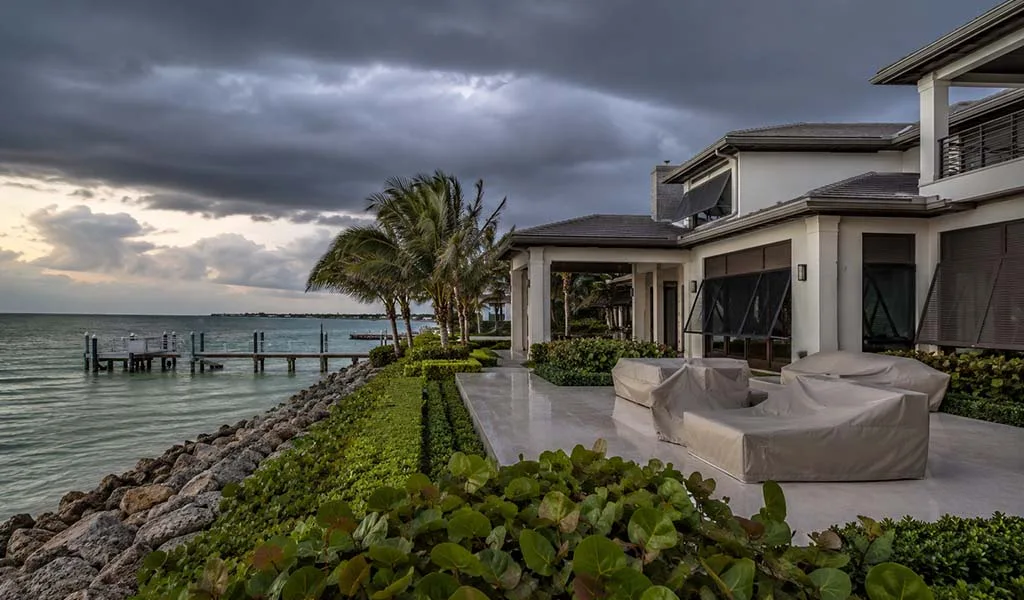
Pre-storm preparation isn't enough
The specific thing Ian taught was that pre-storm preparation, while necessary, wasn’t sufficient by itself. Estates that had focused security architecture on the pre-storm window and the storm-day window managed those windows adequately. Storm shutters deployed. Vessels moved to yard storage. Vulnerable landscaping secured. Family evacuated on schedule.
What those estates didn’t have was operational architecture for the recovery window. And the recovery window is where the compound exposure was most significant.
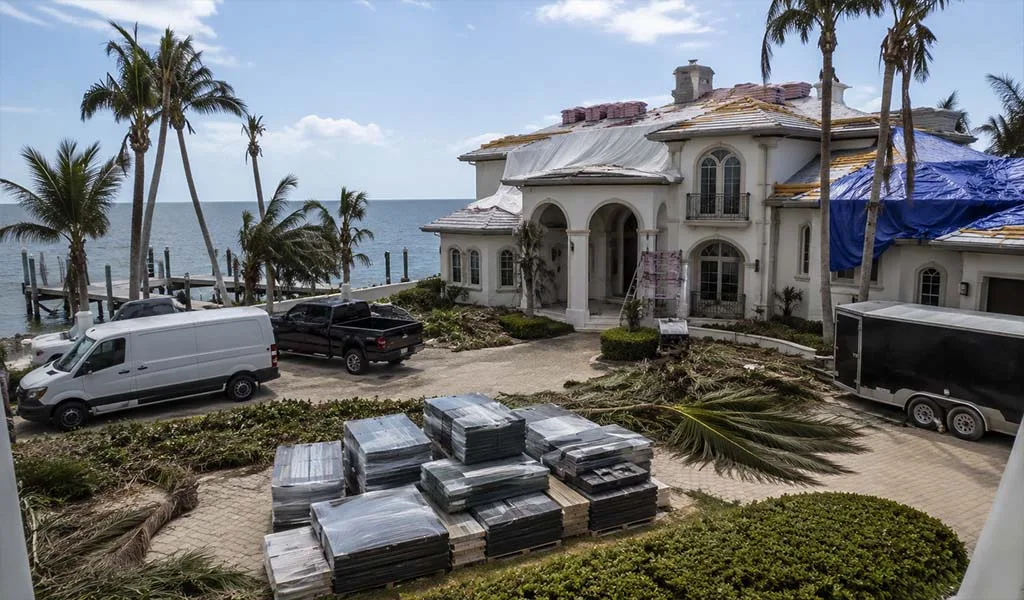
The recovery phase involves rotating vendor and contractor access measured in months. Roofing contractors. Tree services. Interior water damage restoration. Marine services. Landscape restoration. HVAC repair. Structural engineers. Insurance adjusters. Utility restoration. Municipal damage assessment. At major-damage estates, contractor rotation over the first 90 days could easily produce 60-100 distinct personnel accessing the property.
Most of that access is legitimate. Some of it, at trophy estates specifically, is not.
The pattern I saw consistently after Ian: post-storm windows produced elevated reconnaissance activity against trophy estates. Threat actors presented as contractors, insurance personnel, utility workers, municipal service personnel. The elevated legitimate access volume provided cover for sophisticated impersonation and social engineering that would have been immediately visible during normal operational windows.
The insurance and documentation dimension
Ian also exposed the insurance and documentation dimension of hurricane operational security in a way many principals hadn’t fully engaged with.
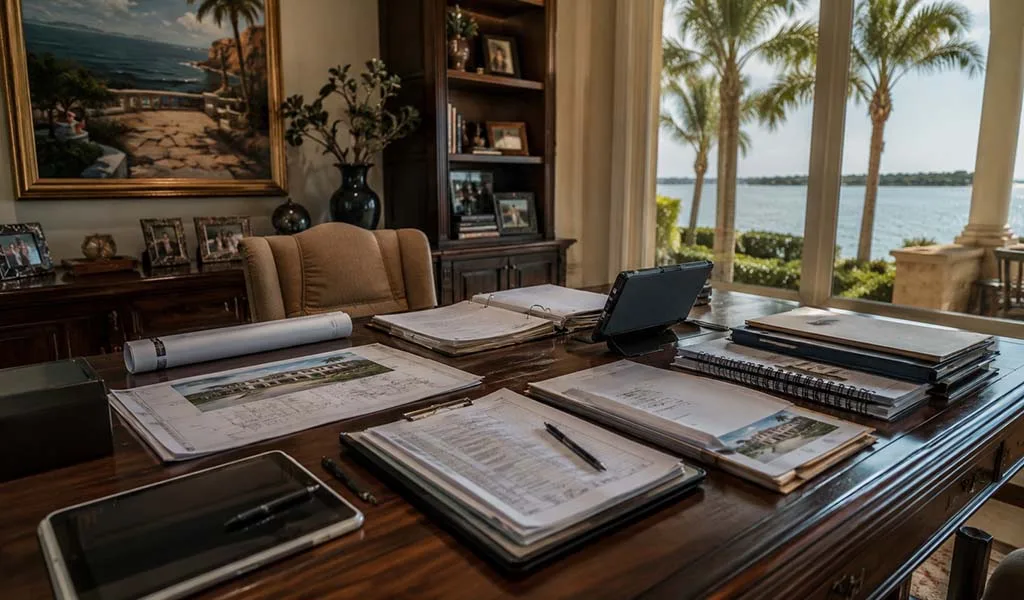
Windstorm coverage requires documentation of pre-storm preparation. Flood coverage requires documentation of water intrusion patterns. Contents coverage requires documentation of losses. All of it operates on documentation standards that structured security operations produce naturally but that informal or ad hoc preparation doesn’t.
For principals with coverage limits reaching into the eight and nine figures for structure and contents, the documentation dimension of hurricane operational security is central to eventual claim recovery.
Estates that operated structured security architecture through Ian produced documentation that supported cleaner claim resolution. Estates that operated informal security produced documentation gaps that extended claim resolution and affected outcomes.
The current 2026 environment
Fast forward to now. Naples has become one of the most active UHNW markets in the country. The DeGroote family’s $225 million oceanfront sale in 2025 was the second-largest US residential transaction that year. David Hoffmann’s $85 million Port Royal purchase set the Collier County record. Pending sales up 56 percent year-over-year in early 2026.
Daphne Nikolopoulos’s coverage in Naples Illustrated documents the shift in resident profile. Katherine Clarke’s WSJ Mansion coverage covers the transaction dynamics.
The equity migration pattern has brought younger, corporate-active principals to Naples. Their threat profile is different from the traditional Naples resident profile. Their security requirements are different. Their expectations for post-storm operational architecture are different.
What effective hurricane security looks like now
The specific architecture I recommend for Naples estates heading into peak 2026 hurricane season has several elements distinct from residential-standard preparation.
Continuous rather than intermittent operations. During peak season, security operations should run continuously with intensity scaling by storm conditions rather than defaulting to reduced coverage when principals are not present.
Structured pre-storm decision protocols. Documented authority for staff to make preparation decisions during principal absence. Documented protocols for vendor coordination during storm windows. Documented communication rhythms that support decision-making across geographic distance.
Extended recovery architecture. Not just pre-storm and storm-day. Purpose-built architecture for the 30-90 day recovery window. Documented vendor relationships. Structured identification for extended access. Coordinated protocols for contractor rotation. Documentation that supports both security operational continuity and eventual insurance claim resolution.
Insurance coordination architecture. Structured documentation of the pre-storm, storm-day, and recovery windows. Chain of custody for high-value contents. Adjuster coordination protocols. Documentation ready for eventual carrier review.
Seasonal migration coordination. For principals whose Naples residence is one of multiple locations, integrated architecture across the seasonal pattern. Coordinated protocols when the Naples estate is the primary residence versus when it’s the secondary residence.
The Port Royal, Aqualane Shores, and Old Naples distinctions
The three primary Naples UHNW residential environments face distinct hurricane exposure profiles.
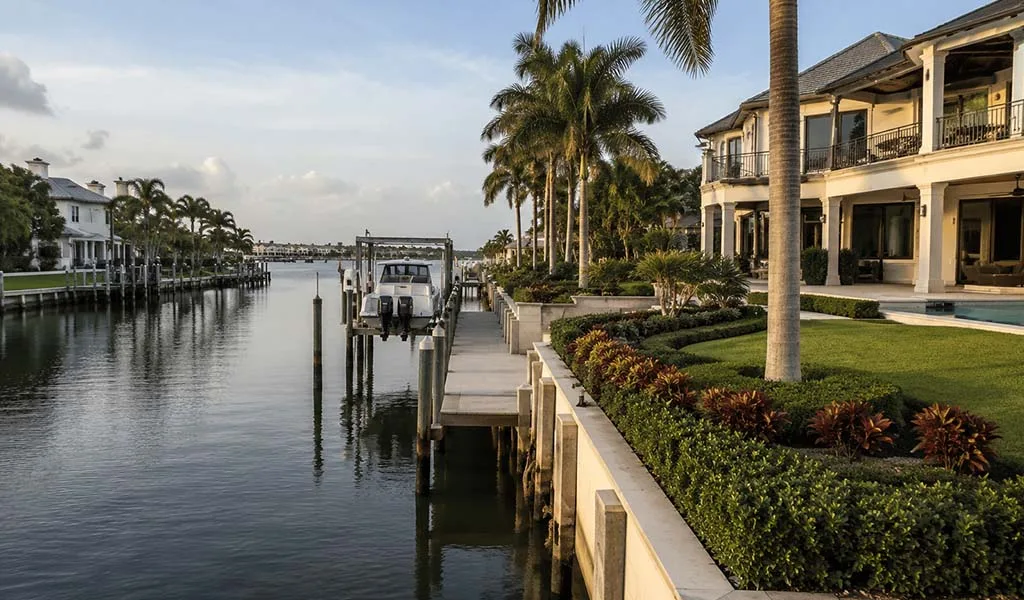
Port Royal’s canal system amplifies surge in specific ways. Aqualane Shores has similar dynamics with different community characteristics. Old Naples has less canal exposure but concentrates Gulf-facing beach access.
Each environment requires architecture designed for its specific profile.
What I'd recommend
If you’re a Naples estate owner heading into peak 2026 hurricane season, three practical priorities.
Address the extended recovery architecture specifically. Pre-storm preparation is the easy part. The 30-90 day recovery window is where the compound exposure is highest and where most estates have the biggest gap.
Formalize your contractor and vendor vetting for storm-period access. Documented relationships established now — before storm windows arrive — are the difference between managed post-storm recovery and uncontrolled contractor rotation.
Get the insurance documentation architecture right. If your coverage limits are substantial, the documentation dimension of hurricane operations is not incidental.
The Naples Beach Club opened
One more piece of Naples context worth mentioning. The Naples Beach Club, a Four Seasons Resort opened in November 2025 on the site of the former Naples Beach Hotel and Golf Club. It added 153 private residences alongside the hotel. That development, combined with the broader Naples market momentum, has produced additional operational density in the corridor.
For UHNW principals hosting events at Naples luxury hotels — including the new Four Seasons — event security integrated with hotel security operations is an emerging category worth addressing before major events are scheduled.
Where to Go From Here
Start with the Estate Operations & Insider Risk Checklist — the 15-point framework covering seasonal migration and dual-perimeter waterfront exposure.
If you’re ready for a direct conversation, request an audit here. We assess Naples estates specifically for the current threat profile.
For the specific hurricane season architecture, read our coverage on seasonal visiting security in Palm Beach — the underlying architecture principles apply directly to Naples.
I’m John Hamilton, HKDS founder. We provide estate security, executive protection, and event security for Naples UHNW principals across Port Royal, Aqualane Shores, Old Naples, Pelican Bay, Grey Oaks, and Quail West. Contact us.