
The $4.2 Million Gut Feeling
A CFO’s gut instinct stopped a $4.2 million Business Email Compromise attack—but luck isn’t a security strategy. Learn how verification architecture protects organizations from sophisticated financial fraud.

A CFO’s gut instinct stopped a $4.2 million Business Email Compromise attack—but luck isn’t a security strategy. Learn how verification architecture protects organizations from sophisticated financial fraud.
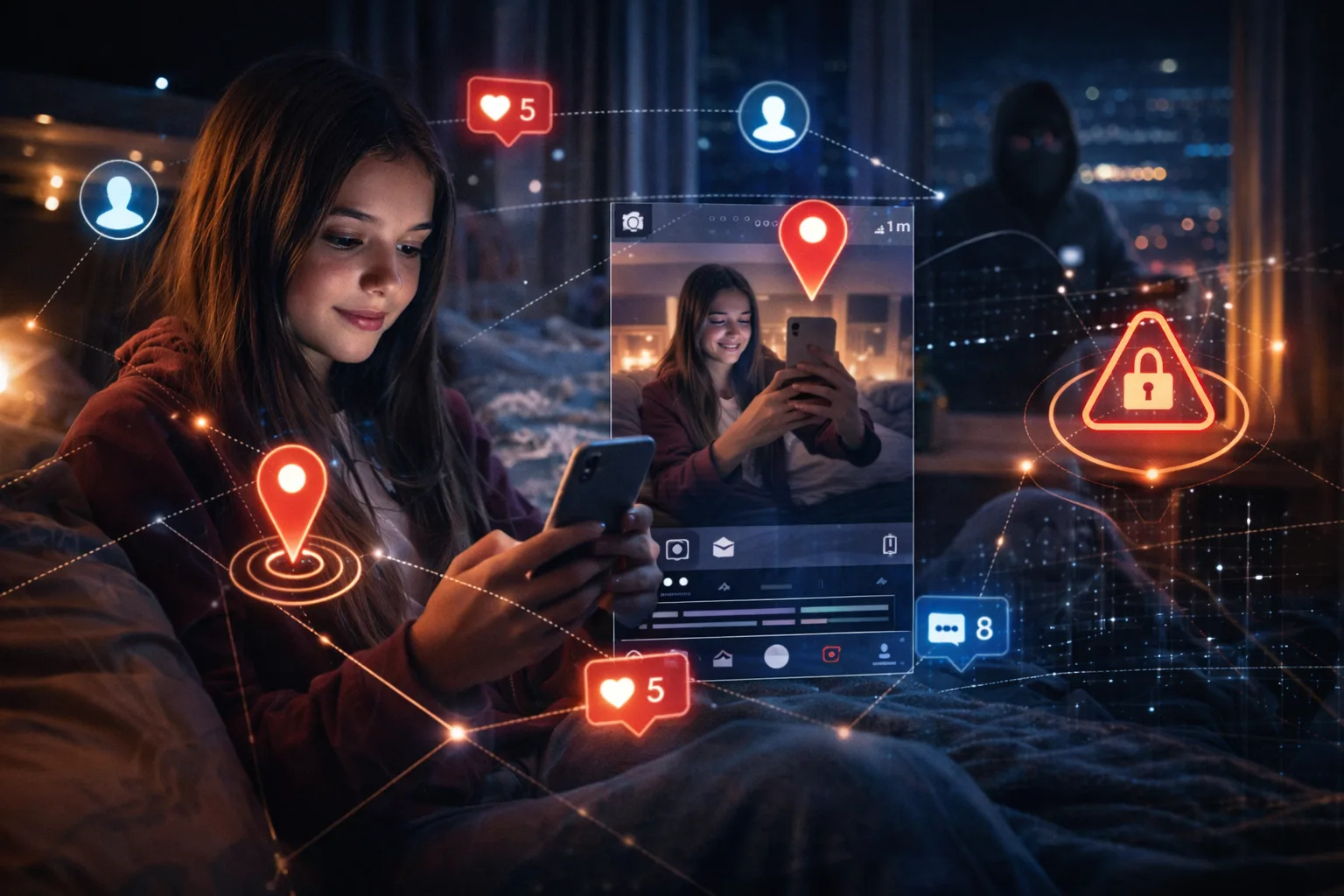
Most executives focus on physical protection—guards, surveillance, and hardened properties. But a family’s biggest vulnerability often comes from somewhere else: their children’s social media. Learn how digital exposure from family members can reveal patterns that compromise security.
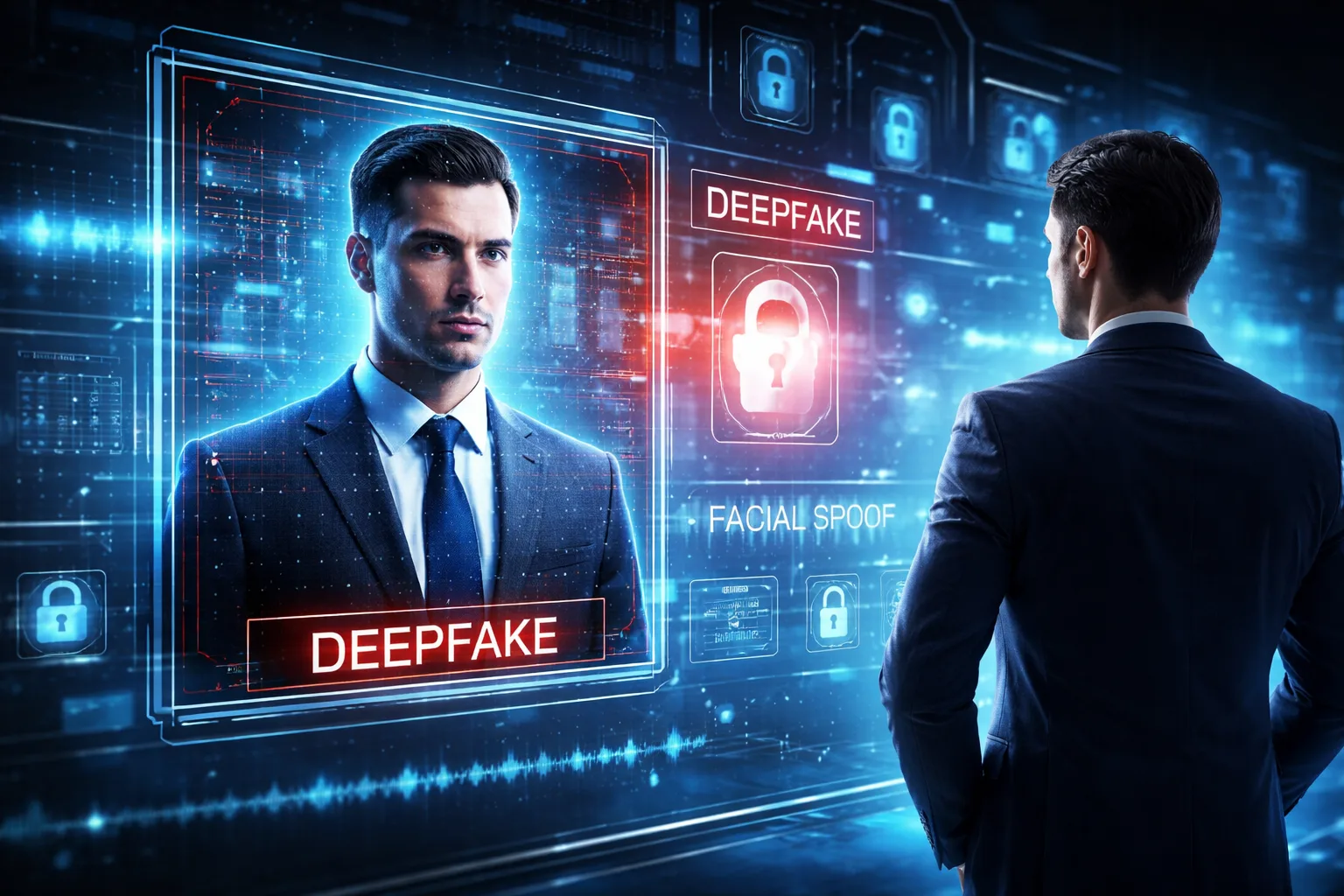
Deepfakes can replicate voices and faces in hours. This article explains the rise of synthetic impersonation and why verification protocols now matter.

Modern targeting rarely begins with a breach of the perimeter. It begins with pattern-of-life analysis—quietly mapping routines, digital footprints, and exposure points until a predictable window appears. For high-net-worth families and executives, the real vulnerability is often invisible.

Digital exposure can grow overnight for talent and public figures. But when visibility increases faster than protection planning, a gap emerges. This article explores signal delay—the lag between rising public attention and the security needed to manage it.

Executive visibility is no longer just a branding decision—it’s a continuity risk. Public exposure, activism, and regulatory scrutiny can quickly escalate from narrative pressure to operational disruption. Boards that fail to model leadership visibility as a risk variable are governing with incomplete assumptions.

Board member executive protection is no longer optional—it’s a fiduciary duty. Organizations in Palm Beach and Ft. Lauderdale are adopting integrated cyber, physical, and intelligence leadership security services to reduce governance risk and protect directors from escalating threats.

Recent security failures involving celebrities reveal a troubling pattern—high visibility combined with inadequate protection creates opportunities for breaches, harassment, and significant personal and financial harm.
Modern security threats include AI-driven cyberattacks, deepfake scams, drone incursions, insider risks, and supply chain breaches, requiring a unified, proactive security approach integrating cyber, physical, and intelligence measures.