
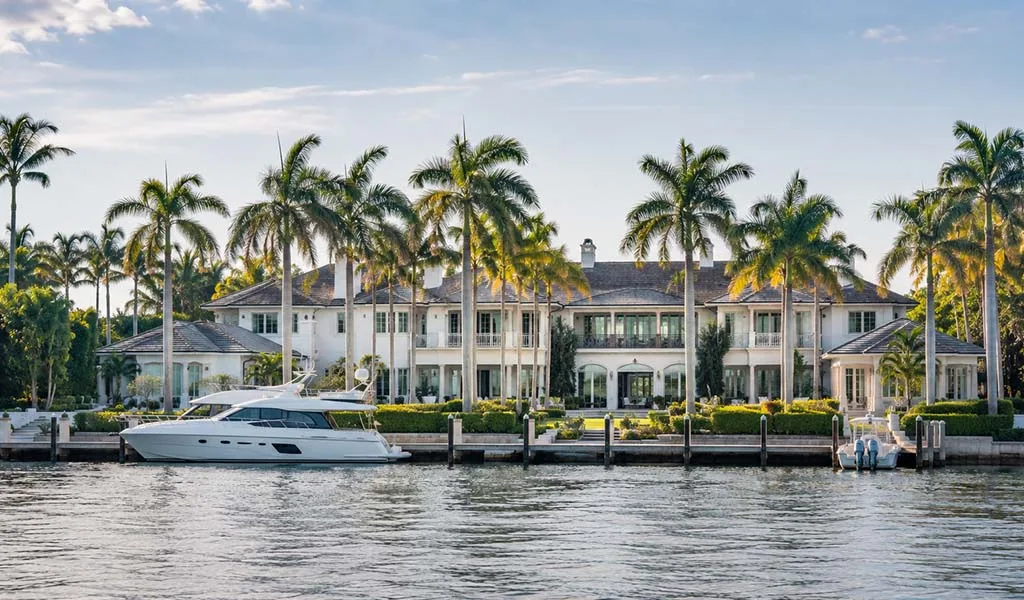
The threat environment on Palm Beach Island in 2026 is not the environment I was operating against in 2022. It’s not a marginal evolution. It’s a structural change.
Twelve years in special operations taught me that when threats change, the people who fall behind first are the ones running architecture that worked last time. That pattern is showing up in Palm Beach right now. Estates that were sufficiently protected in 2022 are running exposed in 2026 because the assumptions their security architecture was built on don’t hold anymore.
Here are the five patterns I’m watching. This is what I actually see in my own casework across the corridor.
Our own coverage on the Iran strike modern targeting pattern-of-life analysis covers the tactical thinking behind current sophisticated targeting.
Pattern 1 — Reconnaissance-driven targeting
The single biggest shift I’ve seen is that estates aren’t being selected on the basis of opportunity. They’re being selected on the basis of studied intelligence.
Reconnaissance against a Palm Beach Island estate happens weeks or months before any operational engagement. I’ve walked into properties where the household had no idea they’d been under sustained observation for two or three months. Public information gets aggregated first. Property records. Real estate coverage. Social media. Staff LinkedIn profiles. Event attendance patterns. That produces a preliminary intelligence picture that’s substantially complete before anyone physically approaches the property.
Then ground-truth reconnaissance. Unmarked vehicles conducting drive-past observation. Pedestrian traffic assessing perimeter patterns. Marine traffic on the Intracoastal documenting boat access and dock activity.
The pattern is consistent. The properties that get selected share operational profiles. Documented public exposure. Predictable household routines. Regular schedules that a competent observer maps in a few weeks. High-value contents documented in real estate marketing materials. All of it aggregable. All of it exploitable.
The security architecture that addresses this pattern isn’t primarily physical. It’s operational discipline. Pattern-of-life management. Reconnaissance environment awareness. Counter-surveillance work that makes sustained observation costly for the observer.
Most estates I audit aren’t running any counter-surveillance at all.
Pattern 2 — Insider and vendor exploitation
The 2026 Verizon Data Breach Investigations Report documented that third-party involvement in significant breaches reached 48 percent, up 60 percent from the previous year. That statistic is enterprise-focused, but the pattern applies directly to what I see at UHNW residential estates.
A Palm Beach Island estate typically engages 15 to 30 distinct vendor companies. Landscape. Pool. IT. Household management. Personal chefs. Drivers. Security itself. Various maintenance contractors. Each vendor has some level of property or network access. The vetting standards typical in the residential service industry are frequently informal and reference-driven.
The exploitation pattern operates through several vectors. Direct exploitation by an insider with legitimate access. Social engineering that recruits an insider for intelligence rather than direct action. Vendor personnel turnover that introduces unvetted individuals into estate access patterns. Vendor company compromise that produces broader access to multiple estates simultaneously.
The specific vulnerability I see most often is the off-boarding gap. When a household staff member departs, gate codes, smart home credentials, network access, key duplicates, and software permissions typically persist for months. Vendors who lose an estate contract retain the intelligence they accumulated during the relationship.
The FBI’s IC3 annual data continues to document insider involvement in a large share of high-value incidents. This is a pattern.
Our coverage on access accumulation at private estates addresses the specific off-boarding architecture the current environment requires.
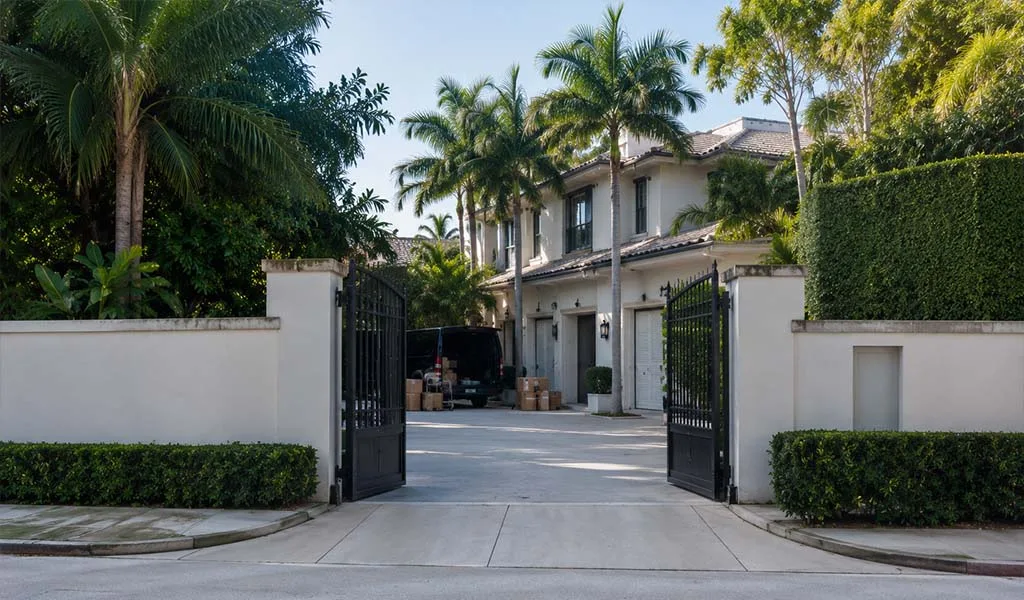
Pattern 3 — Cyber-to-physical translation
The threat environment in 2026 doesn’t respect the boundary between physical and digital security. Cyber intrusions produce physical exposure faster than most residential security architectures are designed to address.
Compromised household staff devices expose principal travel schedules, family member locations, and vendor arrival patterns. Compromised smart home systems produce direct physical access to residences. Social engineering against household management produces both financial and downstream physical exposure. AI-enabled voice cloning targets family office wire transfer authorization with sophistication that traditional defenses don’t catch.
The architectural problem is that residential UHNW environments typically separate cyber and physical into independent domains. Cyber gets handled by an IT contractor. Physical gets handled by the estate security team. The two functions rarely share protocols, dashboards, or incident coordination. When a cyber event has physical implications — which now happens routinely — the coordination gap produces response lag measured in hours or days.
Our detailed coverage on the cyber-physical translation gap breaks down what this looks like operationally.
The estates that address this well operate integrated cyber-physical architecture with shared visibility, established coordination protocols, and unified incident response. That’s what we build for our principals.
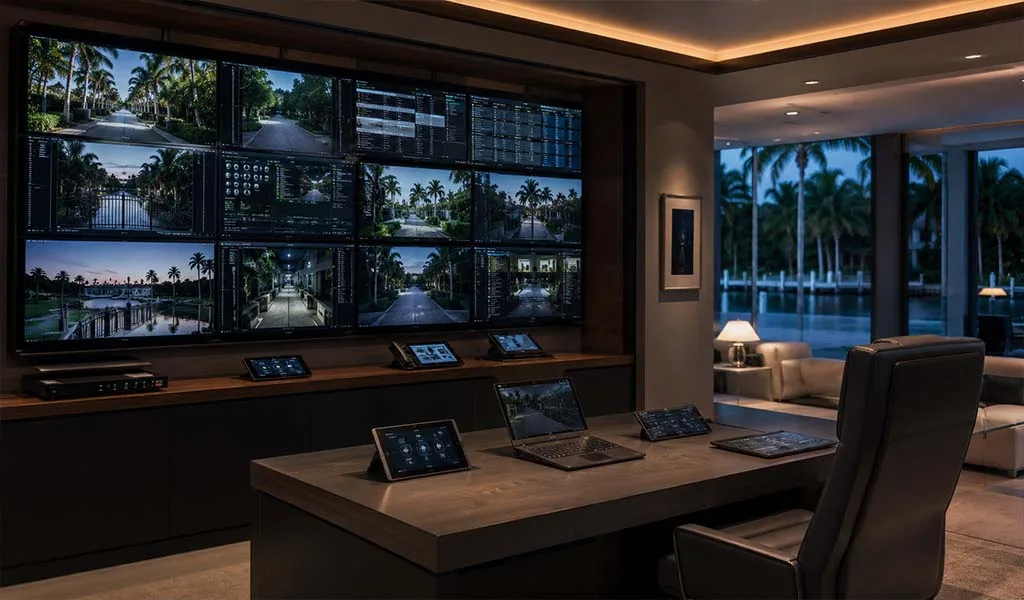
Pattern 4 — Seasonal vacancy exploitation
Palm Beach Island’s seasonal residence pattern produces predictable vacancy windows. Many estates transition from occupied and staffed to reduced-presence or vacant during summer months. That transition is the operational window that organized threats are architected to exploit.
The pattern operates through calendar-based targeting. Seasonal departure schedules are publicly documented through social media, corporate announcements, and event calendars. Organized crews study the transitions and plan engagement during vulnerability windows. The extended low-monitoring periods provide time for sustained access without immediate detection.
The vulnerability is architectural. Most residential security architectures were designed for occupied operation and default to reduced intensity during unoccupied periods. Alarm systems continue. Camera coverage continues. Property checks continue. But operational awareness scales down at exactly the moment when threats scale up.
The Palm Beach Daily News has covered the seasonal patterns of the island’s UHNW residents in detail. Darrell Hofheinz’s coverage of specific property transactions and household patterns is the specific reporting I’d recommend.
Our coverage on hidden security risks during quiet times addresses the specific off-season architecture required.
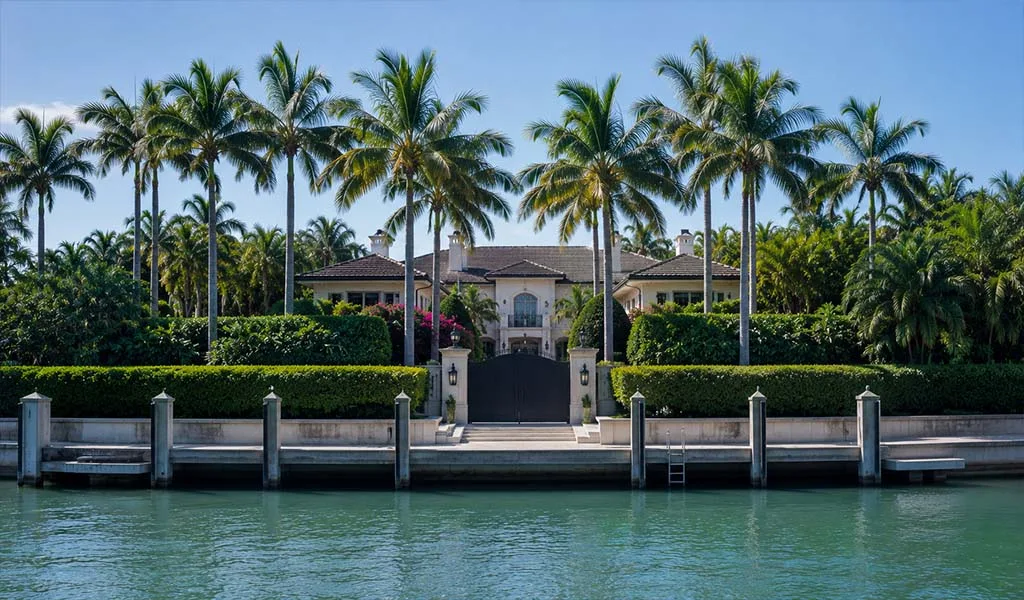
Pattern 5 — Coordinated multi-vector engagement
The most sophisticated pattern combines the previous four into coordinated multi-vector engagement. Reconnaissance identifies the target. Insider or vendor access provides intelligence. Cyber vectors produce timing intelligence. Seasonal vacancy provides the operational window. All coordinated into a single planned engagement.
This isn’t theoretical. I’ve seen this operationally across multiple recent incidents in South Florida that haven’t received public coverage because the families involved declined to report or publicize them.
The characteristic that distinguishes coordinated engagement from opportunistic crime is that the threat actors have already done the intelligence work before they approach the property. The estate isn’t being tested. It’s being executed against.
The architecture required has to integrate across all the domains that the threat actors are coordinating. Reconnaissance environment management, insider and vendor vetting, cyber-physical integration, seasonal continuity, and coordinated response protocols all under one command structure.
The current operational overlay
All five patterns operate within the specific current environment created by ongoing federal protective operations around Mar-a-Lago. The South Ocean Boulevard closure. The Clarendon Avenue closure through October. USCG marine security zones. Emergency response routing affected. Vendor coordination restructured.
For estate security, that overlay means current threat patterns operate against an operational picture that’s itself in transition. Households that haven’t updated their architecture are managing threats designed for 2026 against protocols designed for 2022.
That’s a bad position to be in.
Where to Go From Here
Start with the Estate Operations & Insider Risk Checklist. It’s the 15-point audit we run on every new principal.
If you’re ready for a direct conversation, request an audit here. Confidential. I’ll walk the estate myself.
For the specific framework we recommend for EP evaluation, read How to Choose an Executive Protection Company.
I’m John Hamilton, HKDS founder. We operate estate security and executive protection across Palm Beach Island. Licensed Florida Class B (B 3500148), D, and G. Contact us.